Solar, property & energy
Thermography / thermal imaging
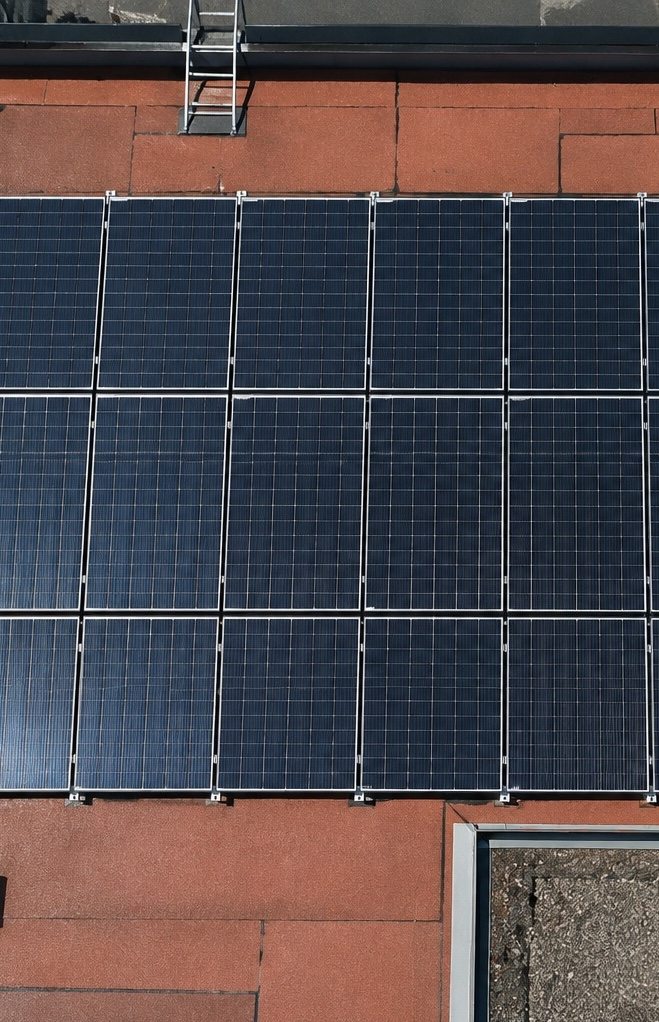
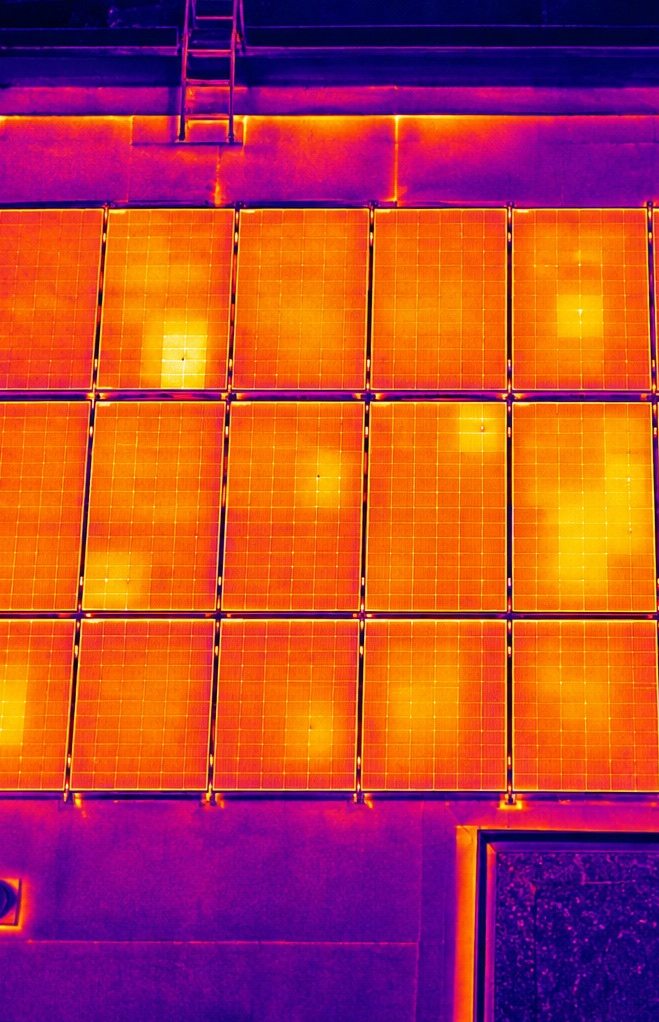
Reveal temperature differences that ordinary photos don’t show. We combine thermal images with visual documentation and help you pin down what needs further investigation.
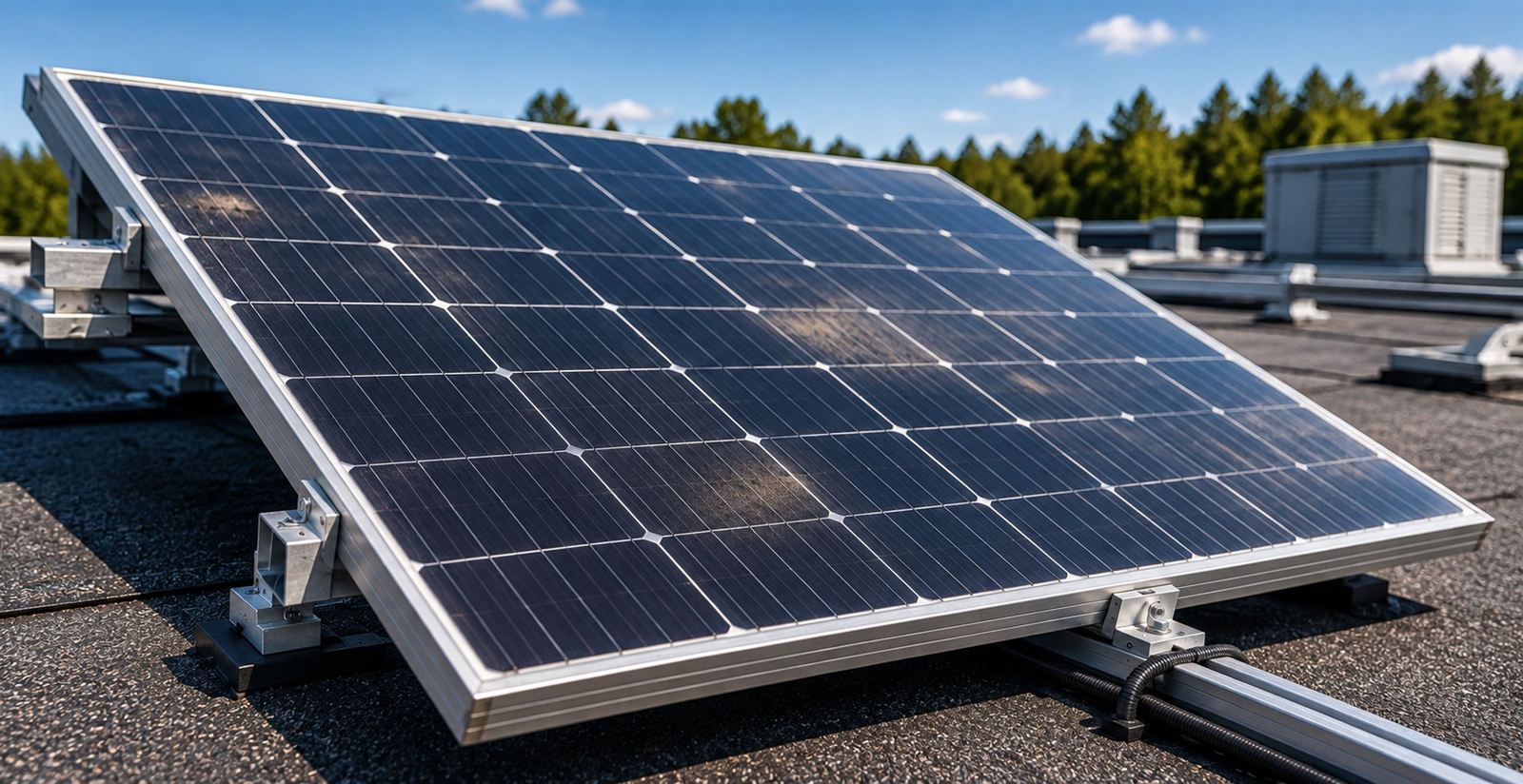 Illustration
Used for
Find areas that need following up
Solar installations
Locate panels or parts of the installation with abnormal temperatures. The results can help operators prioritise further troubleshooting.
Roofs & façades
Investigate temperature patterns that may indicate heat loss or other anomalies. The conditions are assessed based on the building and the question at hand.
Energy & facilities
Document accessible surfaces of technical facilities where the temperature picture matters for operation and maintenance.
Delivery
Thermal images in the right context
A temperature anomaly needs to be seen in context. We link the thermal images to the structure and document the relevant conditions during the flight.
For owners and managers of solar installations, properties and energy facilities. The inspection provides a basis for further checks; a thermal image alone doesn’t establish the cause of an anomaly.
What you receive
- Thermal images with visual reference photos
- Marked areas with temperature anomalies
- Documented conditions during the inspection
- A report or summary within the agreed scope
Illustration
See more with thermography
Temperature patterns that the eye cannot see can provide a basis for further checks – for example of solar panels, roofs and façades.
Thermography shows temperature differences at the time of measurement. The interpretation is a basis for decisions, not a diagnosis – anomalies should be checked further by a specialist.
How we work
How the assignment works
The question
We go through the installation and what you want to investigate. The purpose and delivery are defined in the quote.
The right conditions
The timing is planned around the structure, the weather and operating conditions. Solar panels and buildings can require different conditions.
Image capture
We take thermal images and regular photos of the agreed surfaces and document the conditions on site.
Report & review
The observations are compiled with a clear link to the structure. You get material to pass on to your operations manager or a specialist.
What affects scope and price
- The size of the installation – number of panels, roofs or façades
- Weather and sunlight needed for usable measurements
- Report level – simple summary or detailed analysis
- Access, airspace and any permits
- Whether the check should be recurring
Related services
Services can be combined in the same visit when it suits the assignment.
Questions and answers
Frequently asked questions
When is the right time to inspect solar panels with a thermal camera?
The inspection needs to be planned when the installation is running and the sunlight and weather give usable conditions. Clouds, wind and reflections affect the result. We assess a suitable time ahead of the assignment.
Does a hot panel mean it’s broken?
Not necessarily. An abnormal temperature can have several causes, such as shading, dirt, operating conditions or a technical fault. The images show where further checks may be needed.
Can the thermal camera see through roofs or walls?
No. The camera registers heat radiation from visible surfaces. Temperature patterns can give indications, but hidden damage, moisture or insulation defects may need to be checked with complementary methods.
Can thermography be combined with a regular inspection?
Yes. Thermal images and high-resolution reference photos can be captured as part of the same assignment. If the conditions call for different times, we plan that together.
What would you like to investigate with a thermal camera?
Describe the installation, the location and what you want answered. We’ll come back with a suggested scope and suitable conditions.